Odyssey Project class appreciates learning
despite adversity: 30 earn first six UW credits

Odyssey Project graduates 2012

UW-Madison Interim Chan­cel­lor David Ward (at left) took time dur­ing his address to make a few com­ments directly to the 30 Odyssey Project grad­u­ates of 2012. Odyssey Project direc­tor Prof. Emily Auer­bach is at far right.

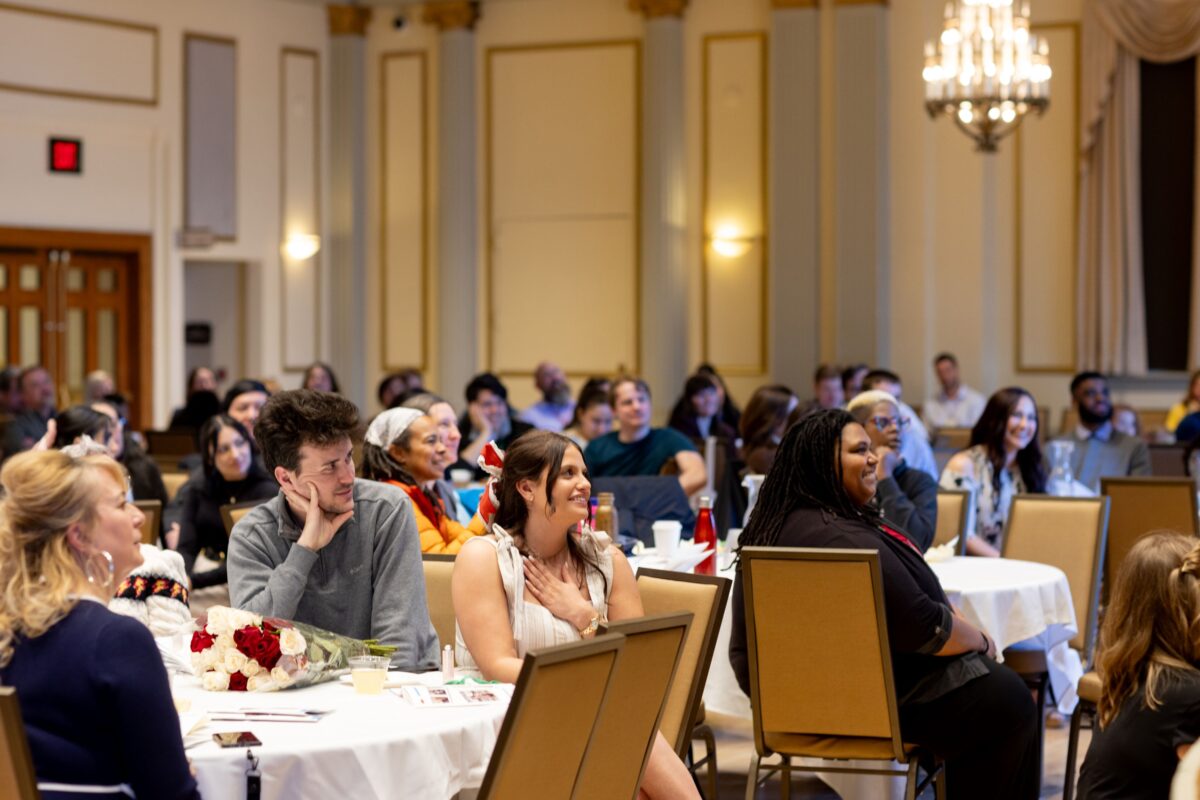
On May 9, 30 men and women of var­i­ous ages showed their appre­ci­a­tion for the works of Plato, Shake­speare, Langston Hughes, Henry David Thoreau, Emily Dick­in­son and other greats of the human­i­ties, as they cel­e­brated their com­ple­tion of the free six uni­ver­sity credit Odyssey Project pro­gram. This UW-Madison Con­tin­u­ing Stud­ies pro­gram, now in its ninth year, opens the door to higher edu­ca­tion for dis­ad­van­taged adults.

Dur­ing the cer­e­mony each Odyssey grad­u­ate read a poem or a piece of writ­ing, shar­ing a bit about their lives with the peo­ple in the audi­ence. One per­son spoke about being born in prison and later end­ing up in prison as an adult. Another spoke about par­ent­ing a dis­abled son as a sin­gle mother. One man men­tioned a pre­vi­ous life with the gangs and a woman described read­ing the Odyssey assign­ments once in her first language–Spanish–and then re-reading the lit­er­a­ture in her newly-acquired English.

The stu­dents are grad­u­at­ing from a jump­start, life-changing course but will con­tinue to receive sup­port and encour­age­ment from Odyssey as they jour­ney on toward degrees. Stu­dents have moved from home­less­ness to UW-Madison degrees and accep­tance into grad­u­ate schools.

The “2012 Friend of the Odyssey Project Award” was awarded to Sven Midelfort for his gen­er­ous finan­cial sup­port for four years.

Odyssey student Terry Hart and former Odyssey student and 2012 UW-Madison graduate Josephine Lorya-Ozulamoi discussed their educational experiences on Channel 15--Madison TV  last week.

Odyssey stu­dent Terry Hart and for­mer Odyssey stu­dent and 2012 UW-Madison grad­u­ate Josephine Lorya-Ozulamoi dis­cussed their edu­ca­tional expe­ri­ences on Chan­nel 15–Madison TV last week.

The Odyssey project is sup­ported by many along with UW-Madison Con­tin­u­ing Stud­ies. A few of the donors include Alliant Energy, the Evjue Foun­da­tion, the Busi­ness Forum, the Good­man South Madi­son branch of the Madi­son Pub­lic Library, Alpha Delta Kappa Iota, First Uni­tar­ian Soci­ety, Bethany Methodist and dozens of other char­i­ta­ble local groups, churches, busi­nesses, book clubs, and indi­vid­ual donors.

Prof. Emily Auer­bach, Con­tin­u­ing Stud­ies, was inspired to estab­lished the pro­gram, because her own par­ents were only able to com­plete col­lege degrees with assis­tance from a tuition-free program.

For more infor­ma­tion visit the web­site or con­tact Auer­bach at 262‑3733, eauerbach@dcs.wisc.edu

Share this:
  • Print
  • Facebook
  • Twitter
  • StumbleUpon
  • del.icio.us
  • Reddit
  • RSS
  • LinkedIn
Posted in Credit Learning, Uncategorized | Tagged , , , , , , | Leave a comment

From struggling actress to Outstanding Adult Student

Alanna Reeves

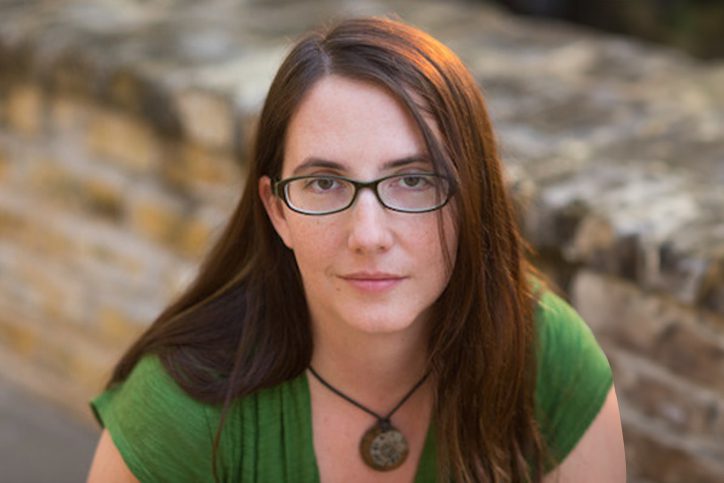
Alanna Reeves, recip­i­ent of an ACSSS Out­stand­ing Adult Stu­dent Award

There isn’t a lot in Alanna Reeves’ back­ground to sug­gest where her pro­fes­sional goals and pas­sions come from. Col­lege after high school wasn’t a given for this Con­tin­u­ing Stud­ies award win­ner. The daugh­ter of trucking-company owners—one a high school grad­u­ate, one a high-school dropout—Reeves remem­bers the deci­sion to go or not to go to col­lege as “fully [her] deci­sion.” And since she had been involved in the­ater since the fifth grade and loved per­form­ing, she moved to New York to become an actress a month after high-school graduation.

The two things that I was most sure of at 18 years old were that I loved the per­form­ing arts, and that I wanted to make a dif­fer­ence in the world,” Reeves says. Indulging the first part was easy; Reeves was for­tu­nate enough to land fairly con­sis­tent act­ing work. It would take the Mis­soula Children’s The­atre (MCT) for Reeves to attain the second.

MCT’s mis­sion is “the devel­op­ment of life skills in chil­dren through par­tic­i­pa­tion in the per­form­ing arts,” and that’s exactly what Reeves saw. She says, “There were kids who became inter­ested in read­ing because they had to learn their scripts, kids who were quiet and unpop­u­lar who blos­somed onstage, kids reach­ing across social barriers …”

We cast a girl as the Queen of Hearts in one of our show—she was smart and artic­u­late, but very shy. Some­thing told us, ‘she can do this.’ After the show, her mother came up to us cry­ing, say­ing that this year they, as a fam­ily, wanted to work on [the girl’s] self-esteem. She said we did more for that girl’s self-esteem in a week than they had hoped to achieve through­out the school year.”

See­ing par­tic­i­pat­ing in the­ater instill the same grat­i­fi­ca­tion and sense of con­fi­dence in those chil­dren that it had done to her, “I found that I loved teach­ing,” Reeves recalls. Real­iz­ing that she was des­tined for a career in the­ater edu­ca­tion she began look­ing for an under­grad­u­ate pro­gram, and found UW-Madison.

While an under­grad, she worked with the The­atre for Young Audi­ences (TYA) and The­atre for Cul­tural and Social Aware­ness (TCSA) pro­grams, which fur­ther cemented her belief in the­ater as a trans­for­ma­tive medium. The TCSA model uses trained actors work­ing closely with cam­pus and com­mu­nity orga­ni­za­tions to develop scripts around social issues in their com­mu­nity, says Reeves. “Each per­for­mance is fol­lowed by facil­i­tated ques­tions around the topic at hand and audi­ence mem­bers can express their reac­tions to, and solu­tions for, the scenes they have witnessed.”

Pair­ing the TCSA model with TYA to make the­ater for social change rel­e­vant and avail­able to chil­dren has become Reeves goal as she now pur­sues her MFA. She is already in talks with sev­eral local orga­ni­za­tions about ways her knowl­edge and expe­ri­ence can help them with their outreach.

Reeves’ belief in the­ater as a cat­a­lyst for social aware­ness and change has spilled over into her com­mu­nity and vol­un­teer work as well. She’s worked as a Teach­ing Artist with the Boys and Girls Club, Wau­na­kee Parks and Recre­ation, and Children’s The­atre of Madi­son; and is cur­rently the Resource Guide Writer for K-12 per­for­mances at the Over­ture Cen­ter. She’s par­tic­i­pated in the Big Learn on cam­pus last sum­mer, and vol­un­teered and taught TCSA at an inter­na­tional sum­mer camp in Japan.

Reeves recently received an Out­stand­ing Adult Stu­dent Award from Con­tin­u­ing Stud­ies Adult Career and Spe­cial Stu­dent Ser­vices for her all work. As she enters grad­u­ate school, Reeves isn’t sure what her future holds. “I love what I do,” she says. “I might work in advo­cacy and out­reach with an exist­ing the­ater com­pany. Maybe I’ll start my own the­ater com­pany that addresses social jus­tice issues. Maybe I’ll get my PhD.”

Sounds like some­one made the right decision.

Share this:
  • Print
  • Facebook
  • Twitter
  • StumbleUpon
  • del.icio.us
  • Reddit
  • RSS
  • LinkedIn
Posted in ACSSS, Profiles | Tagged , , , , , , | Leave a comment

Public managers honored at Continuing Studies

Con­tin­u­ing Stud­ies cel­e­brates Cer­ti­fied Pub­lic Managers

Ten man­agers from Wis­con­sin state and local gov­ern­ment became Cer­ti­fied Pub­lic Man­agers® (CPM) on Fri­day, May 4 in a cer­e­mony at the State Capitol.

May Graduates of the Certified Public Manager Program at UW-Madison

May Grad­u­ates of the Cer­ti­fied Pub­lic Man­ager Pro­gram at UW-Madison Con­tin­u­ing Studies

Bob Lav­i­gna, UW-Madison human resources director, cited the many chal­lenges fac­ing Wis­con­sin pub­lic man­agers in his address before the 34th grad­u­at­ing class. He com­mended the grad­u­ates for their com­mit­ment to becom­ing more effec­tive and effi­cient man­agers, and thanked them for their ser­vice to their com­mu­ni­ties and to the state of Wisconsin.

Rick Hig­gins, president-elect of the Wis­con­sin Soci­ety of Cer­ti­fied Pub­lic Man­agers, also spoke at the cer­e­mony to con­grat­u­late the grad­u­ates and encour­age them to con­tinue their pro­fes­sional devel­op­ment as soci­ety members.

The 2010 Askew Award win­ner was also hon­ored at the cer­e­mony. Hig­gins pre­sented the Askew medal­lion to Capt. Mary Schauf of the Madi­son Police Depart­ment for her out­stand­ing project, “Devel­op­ment of Train­ing Mod­ules for Police Sergeants,” which the depart­ment has implemented.

The May 2012 CPM grad­u­ates in the photo are (from left):  Brenda Derge, Wis­con­sin Depart­ment of Admin­is­tra­tion; Deb­bie Wal­rath, Win­nebago Men­tal Health Insti­tute; Marta Bech­tol, Wis­con­sin Edu­ca­tional Com­mu­ni­ca­tions Board; Jodi Helge­son, Adams County Reg­is­ter of Deeds Office; Rita Atkin­son, Wis­con­sin Depart­ment of Work­force Devel­op­ment; Brian McCormick, Hed­berg Pub­lic Library, Janesville; Mary Machaj, UW-Madison Col­lege of Let­ters & Sci­ence; Greg Raube, Wis­con­sin Depart­ment of Safety and Pro­fes­sional Services; and Sharon Mar­tin, Wash­ing­ton County Reg­is­ter of Deeds Office. Not pic­tured: Bob Kneep­kens, Sand Ridge Secure Treat­ment Center.

The CPM pro­grams requires par­tic­i­pants to com­pleted 300 instruc­tional hours includ­ing sem­i­nars in qual­ity improve­ment, strate­gic plan­ning, com­mu­ni­ca­tion, prob­lem solv­ing, and lead­er­ship, accord­ing to Robbi Drei­fuerst, direc­tor of the CPM pro­gram at UW Con­tin­u­ing Stud­ies. A num­ber of writ­ten projects also are required, includ­ing an in-depth applied project that addresses a need in the student’s work­place. For more infor­ma­tion see the web­site.

Jan­u­ary Law Enforce­ment CPM Ceremony—33rd Class

A group of 13 local law enforce­ment man­agers grad­u­ated from the South­east Wis­con­sin Police Man­age­ment CPM Pro­gram on Jan. 23 in a cer­e­mony at the State Capitol.

In his grad­u­a­tion address, Brian O’Keefe, admin­is­tra­tor of the Divi­sion of Law Enforce­ment Ser­vices, Wis­con­sin Depart­ment of Jus­tice, spoke of the many chal­lenges in law enforce­ment today includ­ing main­tain­ing nec­es­sary ser­vices with reduced bud­gets and the ram­i­fi­ca­tions of the con­cealed carry legislation.

Jan 2012 Law Enforcement CPM graduates

Law Enforce­ment offi­cers hon­ored as CPM grad­u­ates, Jan 2012, by Con­tin­u­ing Studies

These Cer­ti­fied Pub­lic Man­agers and the loca­tions of their depart­ments are, from left: Christo­pher Botsch, Jes­sica John­son, and Steve Beyer, West Allis; Peter Regen­felder and Jay John­son, Green­field; Scott Mac­Far­lan, Hart­ford; Pat Merten, Ger­man­town; Cur­tis Goens, Franklin; Tim­o­thy Sharpee, Wauwatosa; Tom Diet­rich, St. Fran­cis; Pro­gram Coor­di­na­tor Brad Went­landt, Green­field; Julia Nash, She­boy­gan County. Not pic­tured: Brian Yokes, New Berlin; Rob Navarette, West Allis.

Let’s give a shout-out to these hard-working and ded­i­cated state and local employees!

Share this:
  • Print
  • Facebook
  • Twitter
  • StumbleUpon
  • del.icio.us
  • Reddit
  • RSS
  • LinkedIn
Posted in Noncredit certificates, Professional Development, Uncategorized | Tagged , , , , , , , | Leave a comment

What can be done for youths who engage in risky behavior?

University of Wisconsin-Madison Conference for Boys and Girls at Risk

Uni­ver­sity of Wisconsin-Madison Con­fer­ence for Boys and Girls at Risk–June 15, 2012

Drop­ping out of school, gang involve­ment, teen preg­nancy, and alco­hol and drug use are among the issues that keep many young peo­ple from pro­duc­tive futures. Luck­ily, more strate­gies have been dis­cov­ered for pro­fes­sion­als that can save teens from these at-risk behaviors.

In June, Con­tin­u­ing Stud­ies will offer one of its most pop­u­lar con­fer­ences, Boys and Girls at risk: emerg­ing sci­ence in gen­der dif­fer­ences, which is designed for pro­fes­sion­als who work with youth faced with chal­leng­ing situations.

Sched­uled for June 15 at Madi­son Mar­riott West, the conference’s keynote ses­sion exam­ines “From Exas­per­a­tion to Sat­is­fac­tion: Gen­der Dif­fer­ences in Inter­per­sonal Com­mu­ni­ca­tion.” The speaker is Cyn­thia Torppa, PhD.

Attended each year by edu­ca­tors, coun­selors, social work­ers, clergy, juve­nile jus­tice work­ers and oth­ers, the program’s other ses­sions will explore:

• How par­ents, teach­ers, case man­agers and oth­ers can com­mu­ni­cate more effec­tively with youth of either gen­der
• Sur­pris­ing infor­ma­tion on how trauma affects boys and how to reach boys to help them heal
• The hid­den world of teenage cyber-culture and how to know when it gets dan­ger­ous
from a female and a male per­spec­tive
• The promis­ing prac­tices for help­ing female trauma sur­vivors heal
• An evidenced-based model of inter­ven­tion that works for teens who are using sub­stances
• Brain imag­ing and what it tells us about the dif­fer­ences between girls and boys and the clin­i­cal impli­ca­tions of these differences

For more infor­ma­tion, con­tact Mary Unmuth Yockey at munmuth@dcs.wisc.edu or 608–263-4431.

Share this:
  • Print
  • Facebook
  • Twitter
  • StumbleUpon
  • del.icio.us
  • Reddit
  • RSS
  • LinkedIn
Posted in Professional Development, Uncategorized | Tagged , , , , | Leave a comment

How to become a novelist overnight: start writing now

by Chris­tine DeSmet, writ­ing instruc­tor, Con­tin­u­ing Studies

Christine DeSmet, Continuing Studies, faculty associate, writing

Chris­tine DeSmet, fac­ulty asso­ciate, teaches writ­ing for Con­tin­u­ing Studies

Most of us have said some­thing like, “That’d make a great movie or novel.”

Ideas for nov­els stalk all of us.

Novel ideas crop up in the mid­dle of a con­ver­sa­tion with friends or cowork­ers, or when we’re watch­ing the news or read­ing a blog. When the idea plagues you for many days, it means it prob­a­bly would fill enough pages to make a novel.

For the aver­age paper­back lit­er­ary or main­stream novel of the kind you still find on a book­store shelf (or online in your e-book ver­sion), you need around 90,000 words or 300 man­u­script pages double-spaced with 12-point Times New Roman type. Book lengths vary of course, so do a lit­tle research or email me about your type of novel and I’ll help you fig­ure out what length might be good for your readers.

After you get an idea, how do you get your novel under­way? How do you fill those 300 pages? Those are the ques­tions brought to me and my col­leagues in all our Con­tin­u­ing Stud­ies writ­ing work­shops, such as the upcom­ing “Write-by-the-Lake Writer’s Retreat” in Madi­son, June 18–22. I also teach online, one-on-one courses in both novel writ­ing and screenwriting.

Nov­els are sim­ply this: A char­ac­ter with a prob­lem. Fic­tion is about the con­flict that hap­pens over solv­ing that problem.

Nov­el­ists start plan­ning their plots by artic­u­lat­ing that prob­lem in what’s called a “log­line.” The log­line is a one-sentence encap­su­la­tion of your plot. This sen­tence is what guides you so you don’t get lost in writ­ing 300 pages. The log­line is what we writ­ers pitch to agents in New York or Hol­ly­wood. Exam­ple: “A Kansas girl swirled up in a tor­nado into a mag­i­cal Land of Oz must face down a wicked witch before she can get help for find­ing home.”

Nov­el­ists sell three things to read­ers: char­ac­ter, plot, set­ting. Make a list of 20 things you know (or make up) about each one of those items, and as a result you’ve got 60 facts that will help you design scenes and fill your novel. See how easy it is to write a novel?

But there is an art to being a nov­el­ist, too, and that “art”—as well as the craft—is what we focus on in our work­shops and online courses. The “art” of writ­ing is about being an enter­tainer, about bring­ing your unique voice to the page.

There’s a say­ing we have in writ­ing that it’s about the two “E’s”: enter­tain­ment and emo­tion. Art appeals to our emo­tions. And all that means is that being a fic­tion writer is about being you:  

* Write what moves you
* Be brave and cre­ate char­ac­ters out of your back­ground
* Use the places where you’ve lived or vis­ited
* Bor­row from the way you talk in your fam­ily so that you bring that unique voice to the world

That’s how you become a first-time nov­el­ist in a nutshell.

Chris­tine DeSmet is a writer of nov­els, short sto­ries, screen­plays, and plays. This spring she sold a three-book con­tract to New Amer­i­can Library/Penguin for a mys­tery series set in Door County, Wis. If you have ques­tions, con­tact Chris­tine DeSmet, fac­ulty asso­ciate, cdesmet@dcs.wisc.edu, 608–262-3447.

Share this:
  • Print
  • Facebook
  • Twitter
  • StumbleUpon
  • del.icio.us
  • Reddit
  • RSS
  • LinkedIn
Posted in novel writing, Personal Enrichment, Professional Development, Writing | Tagged , , , , , , | 4 Comments